Choosing bathroom tile is more than aesthetics; it’s about moisture resilience, long-term durability, and value. This guide helps you select the right tile, plan a reliable installation, and maintain surfaces to keep bathrooms looking fresh for years.
Why bathroom tile matters
Bathers encounter high humidity, water splashes, and temperature swings. Proper tile systems provide a nonporous, easy-to-clean surface that resists mold and mildew when installed with correct waterproofing. Beyond function, tile sets the room’s mood—from spa-like calm to bold, contemporary statements.
Quality matters. EEAT principles apply here: rely on reputable brands, professional installation when possible, and clear maintenance routines. The combination of materials, layout, and finishing details determines durability and ongoing appearance.
Choosing the right tile: materials
Porcelain tile
Porcelain is dense, highly water resistant, and exceptionally durable. It works well on floors and in showers. Look for a high PEI rating and water absorption under 0.5% for best performance in moist spaces.
Ceramic tile
Ceramic tiles are affordable and widely available in numerous colors and patterns. They are excellent for walls and backsplashes, but typically require stronger grouts and more careful maintenance on floors in busy bathrooms.
Natural stone tile
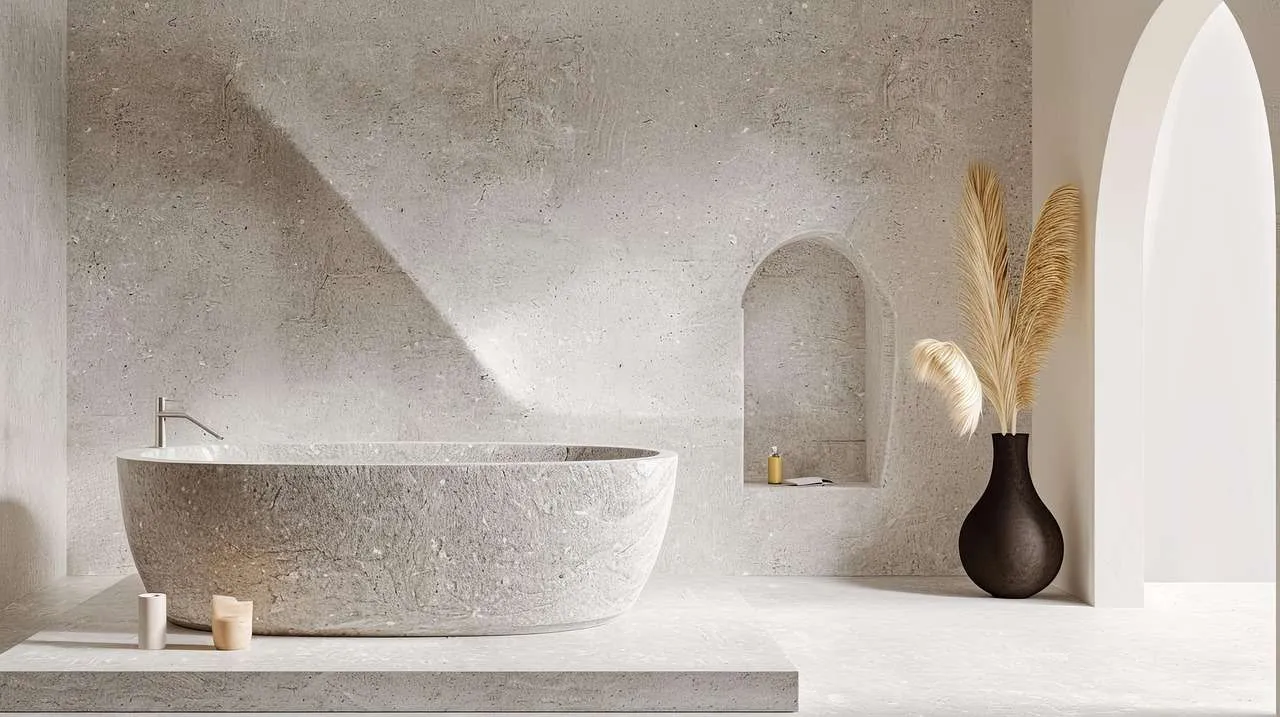
Stone such as marble, limestone, or slate offers luxury and unique veining. Natural stone demands sealing and ongoing care to prevent staining or etching; honed finishes can provide slip resistance while preserving a refined look.
Glass and other options
Glass tiles add light and a contemporary edge, often used as accents or in shower niches. They pair well with larger tiles but can require careful installation to avoid chipping and to ensure even grout lines.
Size, layout and patterns
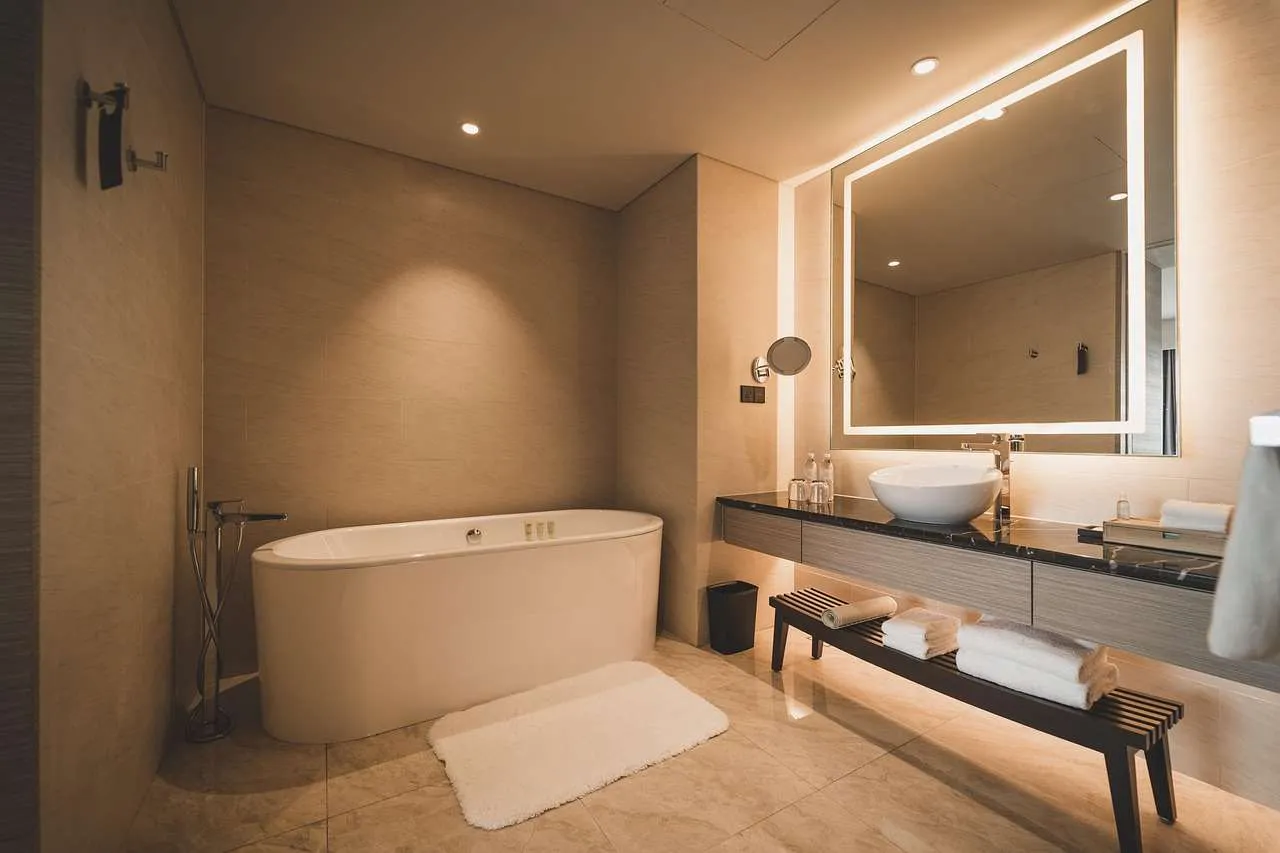
Tile size shapes perception and maintenance. Large-format tiles create a spacious feel with fewer grout lines, while small mosaics offer texture for shower floors and niches. Popular patterns include running bond, herringbone, and vertical stacks. For wet zones, combining a durable base tile with a slip-resistant mosaic can improve safety and comfort.
Color, grout and finishes
Grout choice dramatically affects the room’s look. A grout close in tone to the tile creates a seamless, expansive surface; a contrasting grout highlights pattern and geometry. Epoxy grout offers excellent stain resistance in damp spaces, while cementitious grout can be easier to repair on some materials, provided you seal properly.
Installation basics and waterproofing
Successful installation starts with a solid substrate, crack-isolation underlayment, and a reliable waterproofing layer behind walls or floors. Shower areas usually require a waterproof membrane, proper slope toward the drain, and sealed joints. A skilled installer will also use deliberate grout lines and ensure thermal expansion gaps where needed to prevent cracking.
Maintenance and cleaning
Use pH-neutral cleaners to protect tile surfaces and grout. Seal natural stone and non-porcelain tiles as recommended by the manufacturer, and re-seal as advised. Avoid acidic cleaners on marble or limestone to prevent etching, and promptly clean soap scum and mineral deposits to maintain color and shine.
Cost, durability and value
Material choice impacts upfront cost and long-term value. Porcelain and ceramic offer durable performance at reasonable prices, while natural stone delivers a premium aesthetic with higher maintenance and sealing requirements. A well-installed tile system can last decades when maintained properly, which translates to strong resale value and lower replacement costs over time.
| Material | Pros | Cons | Typical Life | Maintenance | Cost per sq ft |
| Porcelain | Very durable, low water absorption | Higher initial cost than ceramic | 20-50 years | Low; periodic cleaning | 2-8 |
| Ceramic | Affordable, wide design options | Less durable than porcelain | 20-30 years | Moderate; regrouting may be needed | 1-6 |
| Natural stone | Luxurious look, unique patterns | Requires sealing; stain risk | 15-25 years | Sealant, resealing over time | 8-25 |
| Glass | Reflects light, modern style | Slippery floors; potential chipping | 15-20 years | Easy to clean; compatible grout | 6-12 |
| Cement/concrete look | Contemporary, durable | Sealing varies; can be porous | 15-25 years | Sealing; periodic maintenance | 3-12 |
Design trends and tips
Timeless neutrals with subtle texture stay popular, while large-format tiles foster a calm, continuous surface. Bold accents, such as a decorative border, a mosaic shower floor, or a vibrant tile behind the vanity, can personalize a bathroom without overwhelming the space. When working with small bathrooms, consider lighter tones and larger tiles to visually expand the room.
Conclusion, the key to a successful bathroom tile project lies in choosing materials that fit your climate and lifestyle, planning a layout that minimizes maintenance, and committing to a proper installation and ongoing care. By balancing durability, aesthetics, and budget, you can achieve a bathroom that remains beautiful and functional for years to come.