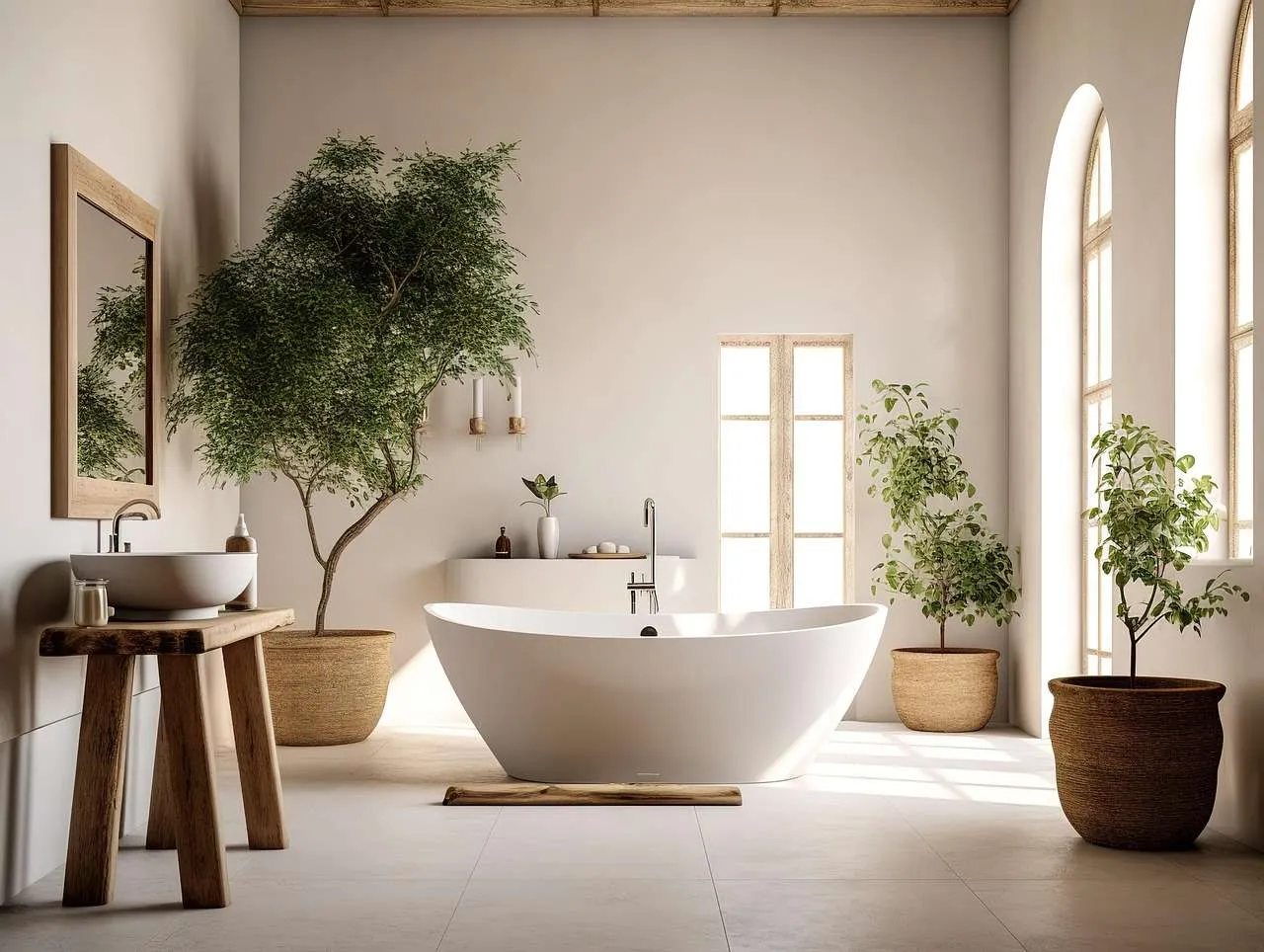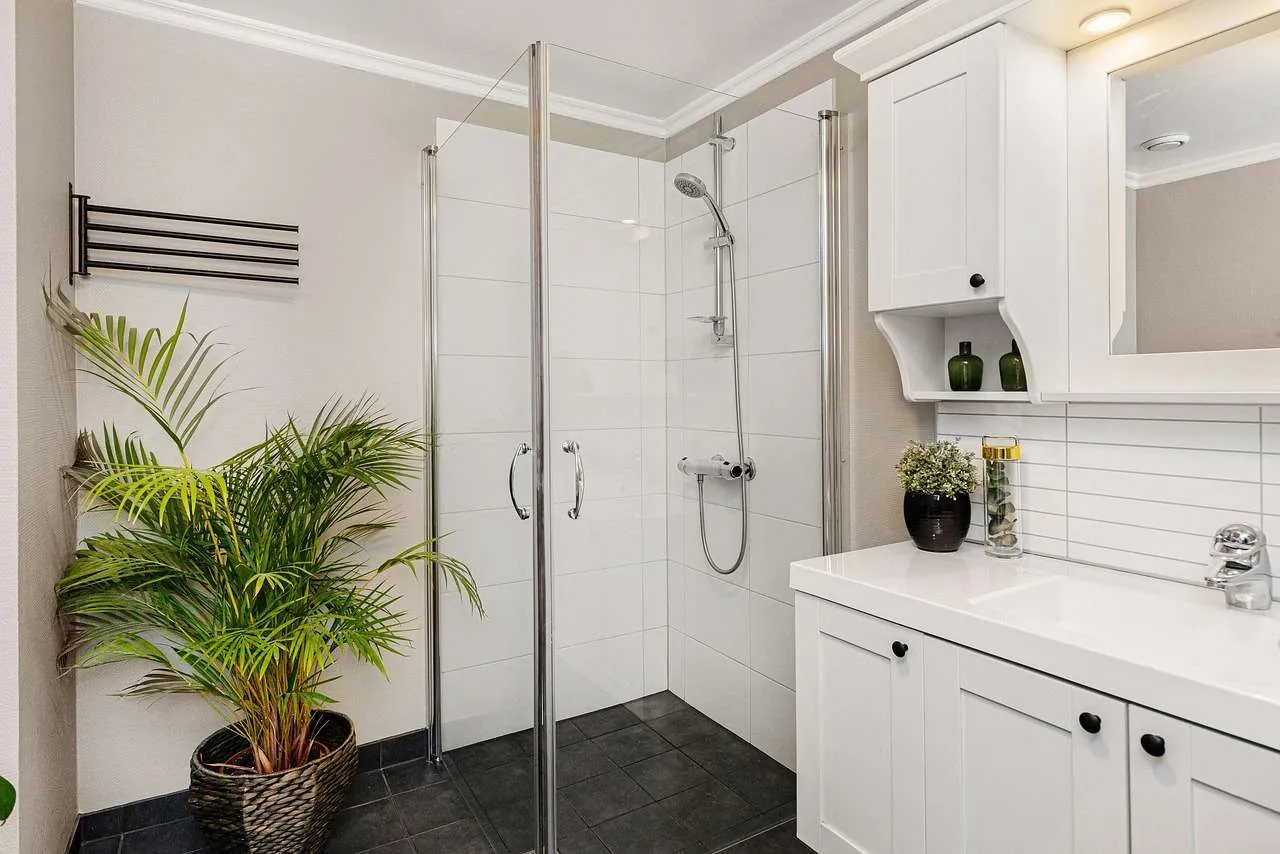
Choosing the right bathroom tiles can transform a space. This guide covers materials, design ideas, installation tips, and maintenance to help you pick tiles that look great and last for years in a family bathroom or a master ensuite. By prioritizing durability, slip resistance, and easy care, you can create a bathroom that stays beautiful with everyday use. The content follows practical, evidence based guidance and recommends consulting licensed professionals for complex installations to ensure safety and longevity.
Choosing the Right Bathroom Tiles
Tiles not only decorate but also protect surfaces in wet environments. The best choice balances aesthetics with performance. Start by matching the tile material to the room use, climate, and your maintenance tolerance. Larger formats reduce grout lines, while textured surfaces can add grip in a shower or wet area. Consider slip resistance ratings and ensure the tile system is installed with a suitable moisture barrier to prevent issues over time.
Common tile materials
Ceramic tiles are a budget friendly option ideal for walls and backsplashes. They come in many colors and patterns, and are easy to cut for tight spaces. Ceramic is less dense than porcelain but still durable enough for residential bathrooms with light to moderate traffic.
Porcelain tiles are denser and less porous than standard ceramic. They perform well on floors and in shower areas, resisting moisture and staining. Porcelain can be honed, matte, or glossy, and large format tiles create a seamless look with fewer grout lines.
Natural stone tiles such as marble, travertine, or slate bring luxury and unique veining. They require sealing and regular maintenance to prevent staining and water marks. Stone is great for accent walls and shower niches but may have higher maintenance costs and careful cleaning needs.
Glass tiles add sparkle and depth through reflectivity and color. They work well as backsplashes or shower bands but can require more frequent cleaning to keep grout looking fresh. Glass tiles should be installed with proper edge finishing to avoid chips in wet areas.
Cement tiles provide bold patterns and contemporary vibes. They are durable when sealed but can stain if not protected. Cement tiles are popular for feature walls or a shower niche, offering design drama with practical performance when properly sealed and maintained.
Practical considerations for tile selection
Size, layout, and shape influence the room’s perceived space and maintenance needs. For small bathrooms, large format tiles on floors and walls can reduce grout lines and create a sense of continuity. In showers, a rectangular tile laid vertically or a mosaic on the niche can add interest while maintaining slip resistance. Material choice impacts cleaning effort, with matte finishes often showing fewer water spots than glossy finishes.
Size, layout, and shape
Large format tiles up to 24x48 inches or bigger are popular in modern bathrooms for a clean look with minimal grout. Square tiles, hexagons, and rectangular planks each create distinct rhythms. Consider grout color; matching grout to tile can soften lines, while contrasting grout highlights pattern and texture.
Slip resistance and moisture management
Floor tiles in wet areas should carry a slip resistance rating suitable for flooring. Porcelain and ceramic tiles with a textured or matte finish often provide safer footing than polished surfaces. A proper underlayment and waterproofing system in showers and tub surrounds prevent leaks and mold growth over time.
Maintenance and care
Maintenance needs vary by material. Ceramic and porcelain are typically easy to clean with mild cleaners. Stone requires periodic sealing and careful pH neutral cleaners to protect its finish. Grout maintenance matters too; sealing grout lines can reduce staining and mold buildup, while re grouting may be necessary after years of use in high traffic areas.
Design ideas and color trends
Neutral palettes like whites, beiges, and soft grays create timeless bases that pair with bold accents. For a spa like look, extend large neutral tiles across walls and floors, then add a narrow decorative band as an accent. Colorful glass tiles or bold cement tiles can create focal points in the shower niche or vanity backsplash. Textured finishes, such as linen or rain textured surfaces, add depth without overwhelming the space, while matte finishes help hide water spots on floors and walls.
Installation tips and durability
Preparation matters. Ensure a clean substrate, proper waterproofing, and an appropriate thin set mortar for each tile type. Professional installers bring experience with substrate variations, expansion joints, and proper grouting. If DIY, follow manufacturer guidelines, allow full cure times, and use spacers to maintain even grout lines. Regular inspection of sealing and grout helps prevent water intrusion and keeps the bathroom looking new longer.
Cost, budget, and return on investment
Tile costs vary widely by material, size, and finish. Ceramic tiles are typically the most affordable, porcelain offers a strong balance of price and durability, and natural stone is usually higher in cost due to sealing and maintenance. Factor in labor, waterproofing, and optional underlayment. Proper installation reduces long term maintenance costs and preserves resale value by keeping the bathroom attractive and functional.
Quick material comparison
| Material | Pros | Cons | Best Uses | Maintenance |
|---|---|---|---|---|
| Ceramic | Budget friendly, versatile colors | Less dense than porcelain | Walls, light to moderate floors | Easy cleaning, simple sealers if needed |
| Porcelain | Durable, water resistant | Can be harder to cut, costlier | Floors, showers, wet areas | Low maintenance, long lasting |
| Natural Stone | Luxurious look, unique veining | Sealing required, higher maintenance | Showers, feature walls, bathrooms | Periodic sealing, gentle cleaners |
| Glass | Reflective, brightens spaces | Grout lines show dirt, can be slippery | Backsplashes, accents | Regular cleaning, pristine grout care |
| Cement | Bold patterns, contemporary vibe | Porous without sealing, staining risk | Feature walls, shower niches | Sealing, periodic resealing |
Conclusion, choosing bathroom tiles requires balancing durability, style, and budget. For busy bathrooms, porcelain and large format ceramic offer low maintenance; stone confers luxury but needs sealing; for accents, glass or cement tiles add personality. Plan layout, choose slip resistant finishes, and hire a licensed installer for best results. Regular cleaning and periodic re grouting extend tile life, keeping baths safe and beautiful for years.